Lummi Island Wine Tasting June 23 ’12 Summer Solstice
Summer Solstice
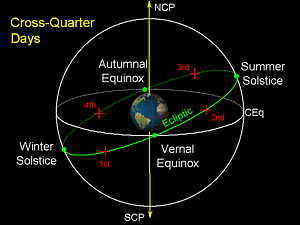
This past Wednesday was the Summer Solstice, the first day of Summer in the Northern Hemisphere, the day of the actual moment this year when the sun was (for a moment) directly above the Tropic of Cancer. Each year the point is different, but always falls (more or less) on the line of latitude at 23° 26′ N, aka the Tropic of Cancer. All of this relative motion occurs because the Earth’s axis is tilted at a constant (more or less) 23.5° from the ecliptic. Can you imagine how weird the world would be if it weren’t tilted?
That means our next “cross-quarter day” will be in six weeks, roughly in early August. It is called Lammas, and celebrates the wheat harvest, as well as the beginning of the descent into winter. Here’s a good story about the holiday.
In any case, as usual around here, Spring has kind of dissolved into being in the last few days. We’re just past the New Moon, with its characteristic “lower low” and “higher high” tides; winds have been very light; and it seems uncharacteristically sultry. If you have ever read Conrad, you will naturally be concerned that we are in the lull before the Big Typhoon: a little restless, a little anxious, a little “this doesn’t feel Quite Right.”
Is Midsummer Night’s Eve the Solstice?
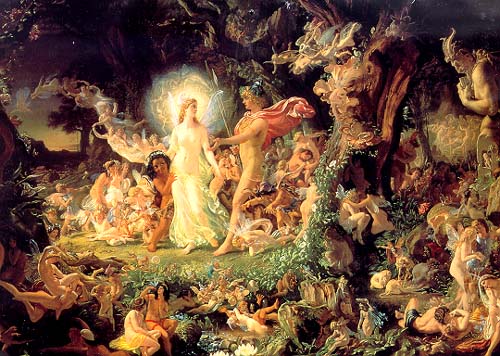 Those of you who for whatever reason actually read this blog from time to time have probably noticed I have a fascination with the seasons and the ancient ways of observing and finding meaning in them. One thing I have wondered about and not found a satisfactory answer for is the relationship between the Summer solstice (around June 20 or 21) and the more mythic and poetic phrase “Midsummer Night’s Eve.” Because for some reason I often take language literally, I think of “first day of summer” (i.e., the Solstice) as being something quite different from “Midsummer Eve,” which seems a much more appropriate name for the Cross-quarter day halfway between summer solstice and fall equinox, in the first few days of August. It’s a puzzle. It probably comes down to when is the more likely time that people went out and rutted in the fields– in early summer (solstice) when the greens are coming up or in REAL mid-summer when the grains are harvested? My own sense is the latter, when evenings are warmer, the ground is dry, and the stars are bright. What do you think?
And, as incentive, bring in the definitive answer and get a free tasting!
Mercat de Sant Josep de la Boqueria
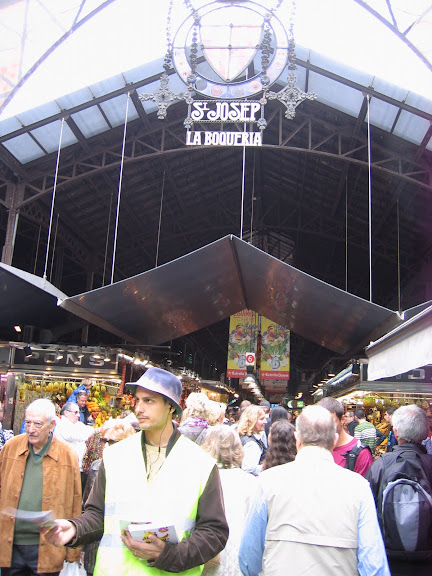
There is certainly some resemblance among public markets everywhere. But like wine, each one has its own special characteristic look, sounds, and smells. The public market in Barcelona is just off the Ramblas, with its constant strolling throngs all hours of the day. This video captures both the restless-wave feeling of the Ramblas plus the unfolding array of carefully displayed fruits, vegetables, jamon, chocolate, cheeses, jamon, fish, and even more jamon, very expensive, very delicious, a gastronomical world unto itself, on display at the mercat.
Our own slides provide an echo of the video, but capture of few of the images that grabbed our attention…(click on “slideshow”)
This week’s wines:
Marques de Casa Concha chardonnay ’09 Chile 90pts $15
A medium-bodied, ripe, plush Chardonnay with vibrant tangerine, spiced apple, melon, and heather notes, with savory flavors, lively acidity, and excellent length.
Chateau D’Oupia “Les Heretiques” ’09 France $10
Made in Minervois from Carignan and syrah with native wild yeast; delivers aromas and flavors of dried herbs and pressed ripe blackberry; fruit-rich, hedonistic, and a great buy. (see video review)
Stephen Vincent “Crimson” 09 California $11
Firm and spicy, with appetizing blackberry, wild berry, pepper, spice and chicory notes that firm up on the finish. Syrah and Cabernet Sauvignon.
Condado de Haza Ribero del Duero ’05 Spain 93pts $27
A lot of flavor on a supple frame. Black cherry, blackberry, smoke, mineral and espresso notes show focus and depth, backed by firm but well-integrated tannins that dissolve on a finely etched, floral-scented finish.
Wine Tasting June 15-16 ’12
Friday Night is Again Bread Night–but only till 6:15!
Due to various opportunities and obligations, we will be open from 4 – 6:15 on Friday, after which we must dash for the ferry. So come early, enjoy some wine with a chunk of Janice’s latest bread creation (last week was crusty-on-the-outside, chewy and flavorful on the inside, and Really Delicious!), a little charcuterie, cheese, and a bit of chocolate among friends! And of course be prepared for a quick exit. And yes, Ryan is back, but will not be in attendance until Europe to America jet lag has dissipated. So…remember…closing early this Friday.
Spanish Guitar, Honey & Cheese
 Way, way back sometime in the sixties I bought a really cheap guitar (“over there” in 1968), took some lessons from a young Corpsman on the ship ( wait a minute…we were ALL young then!), and subsequently tried for years to learn to play guitar. For a long time it was your basic folk songs, and then in the early eighties I bought a classical guitar and tried to learn to read music. All you need to know is that I have a beautiful guitar sitting under the bed which I haven’t played in nearly thirty years; but I have maintained a love and respect for Spanish guitar, so much so that it was a tough decision to book tickets for the Flamenco performance at Palau Musica (see last week’s blog) rather than the guitar performance that was also scheduled during our stay in Barcelona.
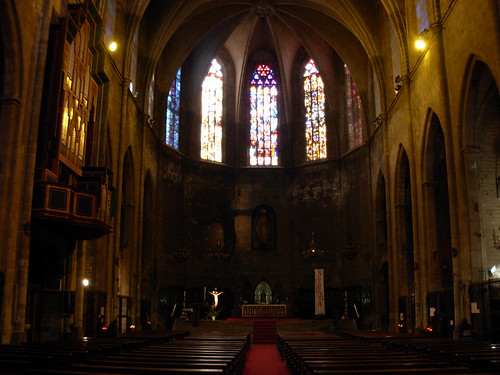
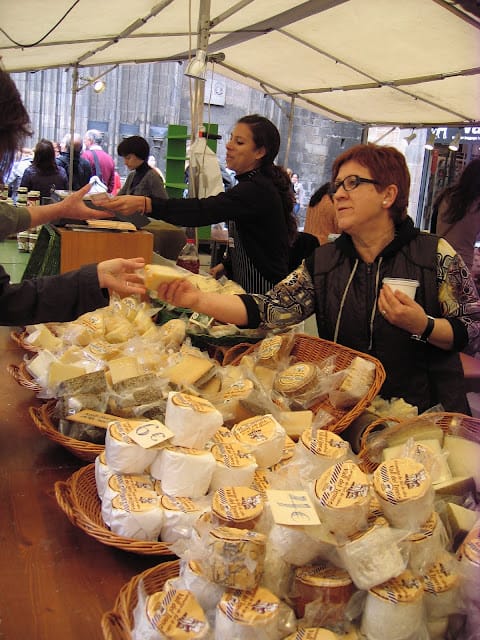
Given that, you can imagine the pleasant “cup runneth over” feeling when we discovered, quite by chance, a different guitar concert the night before the flamenco concert. About mid-day on Saturday we were attending a little “honey and cheese” fair at the square of the Basilica Santa Maria del Pi, just off the Ramblas (the main tourist street in Barcelona, with its ongoing parades of tourists, gypsies, pickpockets, con men, actors made up as statues (who will pose with you for photos), restaurants, bars, etc.), when someone handed us this flyer (page 1; page 2). OMD! The concert was actually IN the Basilica; you can get a feel for it in this picture, and also in this video , which shows the same artist in the same location. As you can see from the program, he played classic works we have all heard many times, and he played them beautifully.
Oh, and by the way, yes we did buy both cheese and honey. You can see a bit more of the honey and cheese fair (modest, Lummi Island size!) here.
Theo’s Chocolate
For all of you chocolate lovers out there, we have restocked our dwindling supply of Theo’s chocolate bars. In addition, we have added Theo’s totally decadent, luscious sipping chocolate to our selection…the Classic and the Chipotle. You just heat some milk, melt in a few tablespoons of ground-into-little-chunks (not powder) Real Chocolate, and stir it up. Oh yeah, it be Some Good!…especially on these chilly Fall evenings. What’s that…? It’s what…? It’s June, and this is what people around here call “summer”…? WoW…so why do we feel we need a fire in the stove every night…what’s THAT about?
This weekend’s tasting
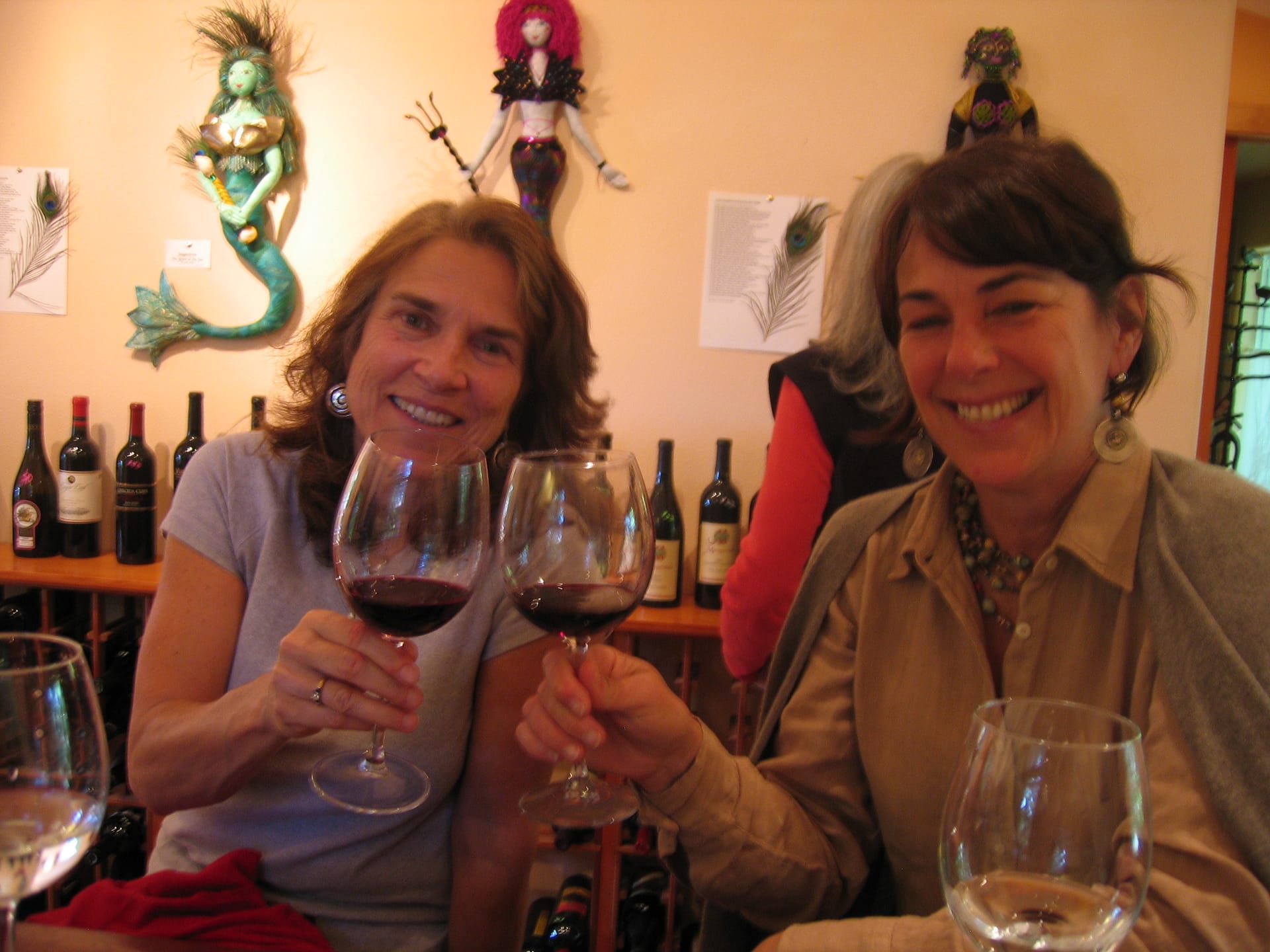 Black Oak Pinot Grigio Italy $8
Another tremendous bargain from negociant Black Oak, a fresh, dry wine with a lovely floral bouquet, medium body and rich,layered flavors.
Monte Oton Garnacha ’10 Spain $9
100% Garnacha sourced from higher elevation. Spice box, incense, mineral, and black cherry notes inform the nose of this round, supple, savory red.
Venta Morales Tempranillo ’09 Spain $9
100% organic tempranillo raised in stainless steel. Deep crimson-colored, it emits aromas of spice box and fragrant black cherry. On the palate licorice and other black fruits emerge leading to a finish with no hard edges.
Lapierre Morgon ’10 France WA92pts $23
Fresh raspberry and strawberry touched with brown spices and provocatively wreathed in musky peony-like floral perfume are underlain with rich nut oils; seductively soothing, with a mouthwatering mineral savor akin to lobster shell reduction.
Lummi Island Wine Tasting June 8-9 ’12
Friday Night is Bread Night!
 Ah, the dilemma…what to do about Friday nights? We have been open Fridays from 4-7pm since late summer,and the jury is still out about whether to keep doing it. On the one hand it is generally sparsely attended. On the other, sparse attendance sometimes contributes to an easy, salon-like, conversational warmth. We also like Fridays because usually Ryan is behind the bar, and we get to schmooze at our favorite wine shop with many of our favorite friends. On Saturdays when it’s busy that just isn’t possible. The upshot is that we keep trying different things for Fridays.
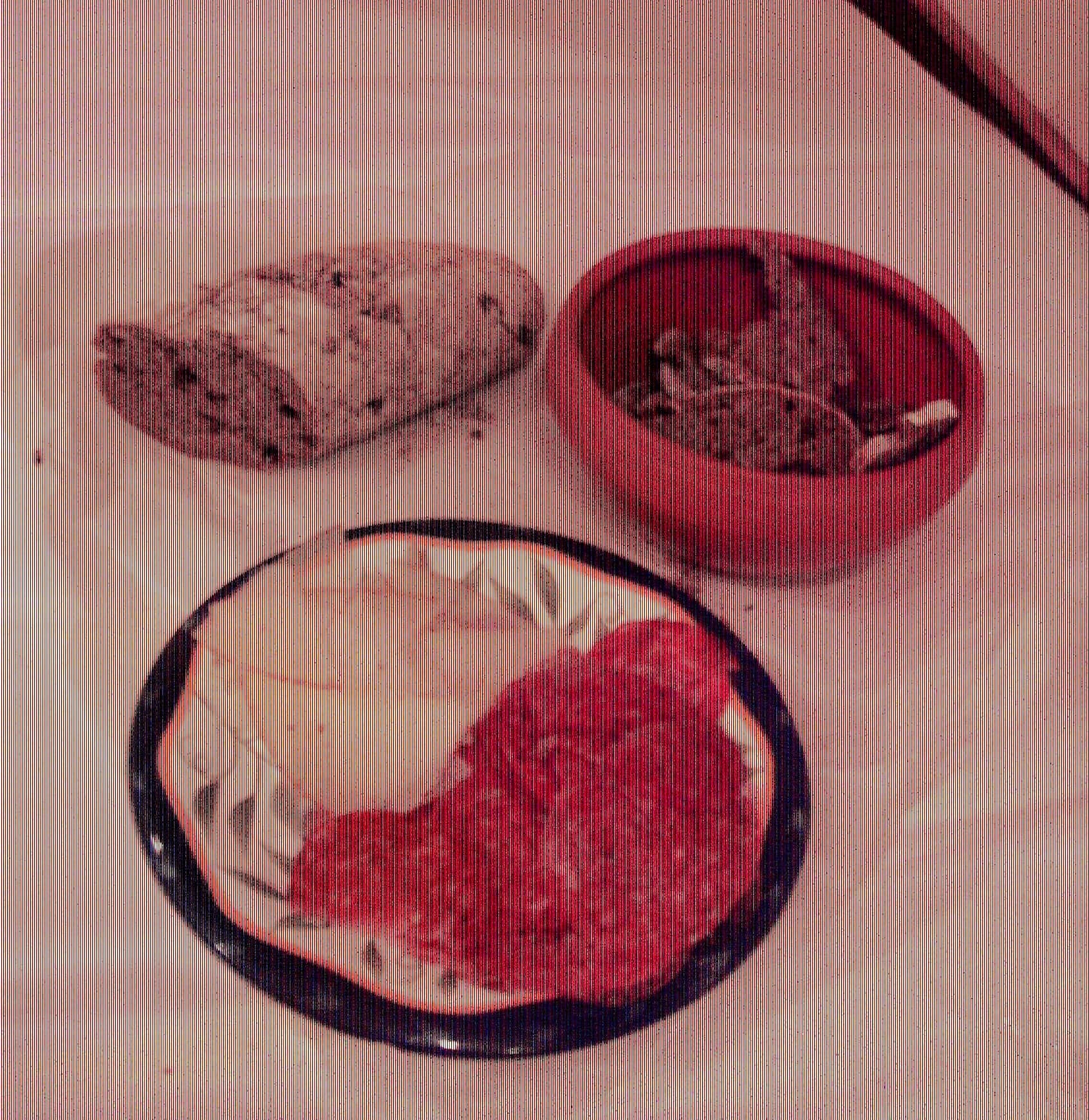
Last week was the debut of fresh bread from Janice’s wood-fired outdoor oven. It was crunchy, it was complex, mostly rye, with raisins and seeds and nuts, and it was great with the charcuterie and manchego cheese. This week we expect to continue the Great Bread Experiment; don’t know what the bread will be, but it will be fresh, and there will be other tasty morsels and wines to go with it. Down the road we hope to have loaves to sell; for now, it’s Friday night samples. Oh, and by the way….it’s REALLY good!!
The New Chocolate Tempering Machine
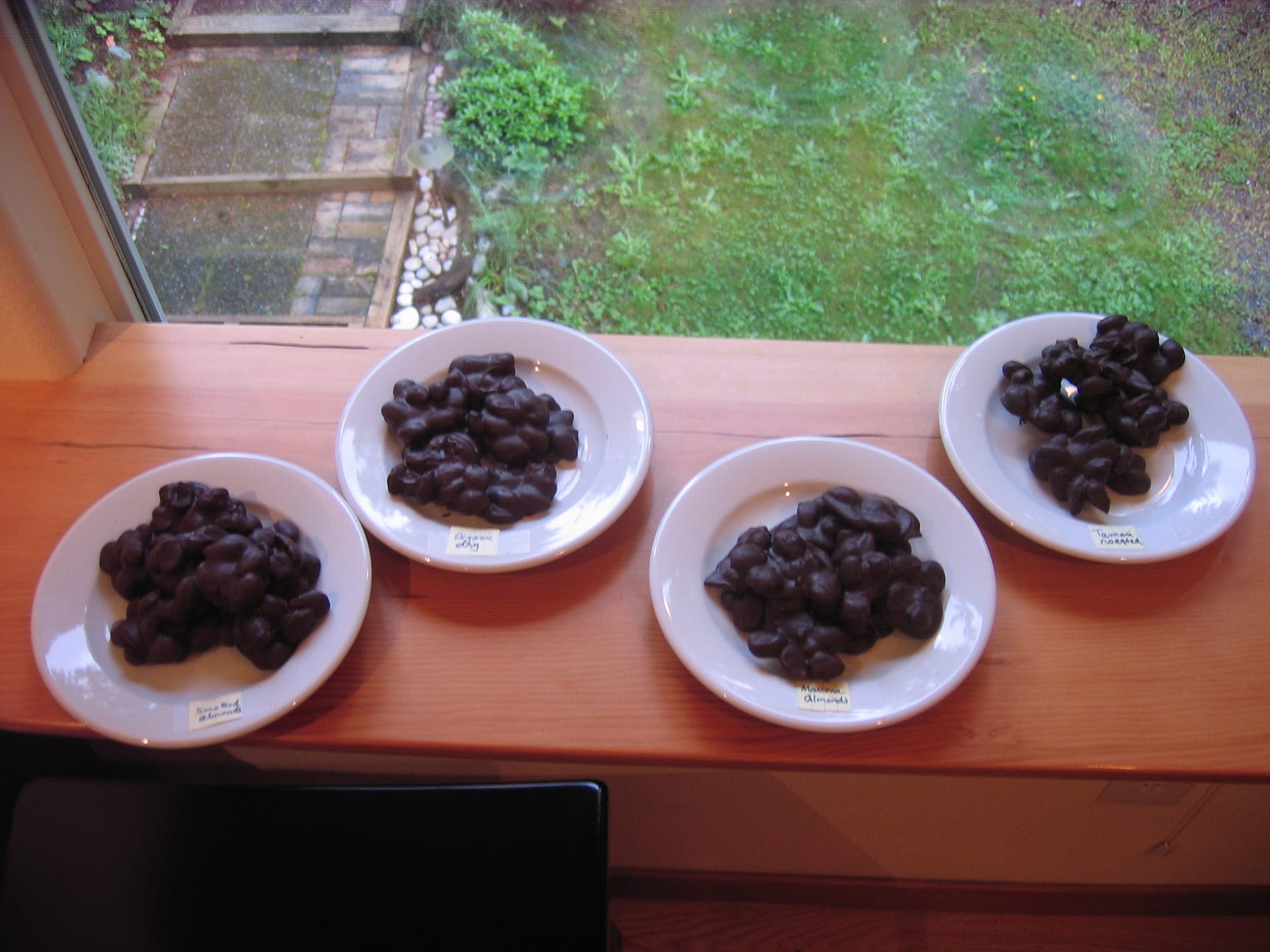 I know, I know…it’s cruel to mention the C-word (“Chocolate!”) on an occasion when we are not offering Pat’s delectable truffles, medallions, or, as last week, nut clusters in deep, dark chocolate. They were an experiment resulting from the convolution of two disparate events: the arrival of a new, more sophisticated chocolate tempering machine (better temperature control!), and our discovery in Spain of the delicious Marcona almonds, aka “the Queen of Almonds.” They are shorter, rounder, softer, and sweeter than the California variety. Those we had (and loved!) in Spain were roasted in olive oil and sprinkled with sea salt. Hard to improve upon, but I can honestly say that embedding them in delicious high-quality chocolate is, for lack of a better term, an Inspiration. OMD- they are soooo good! I can’t speak for Pat, but hopefully there will be another experiment soon, and an opportunity for you to pre-order. (Let’s all hope so, and I will continue to lobby on our collective behalf…!)
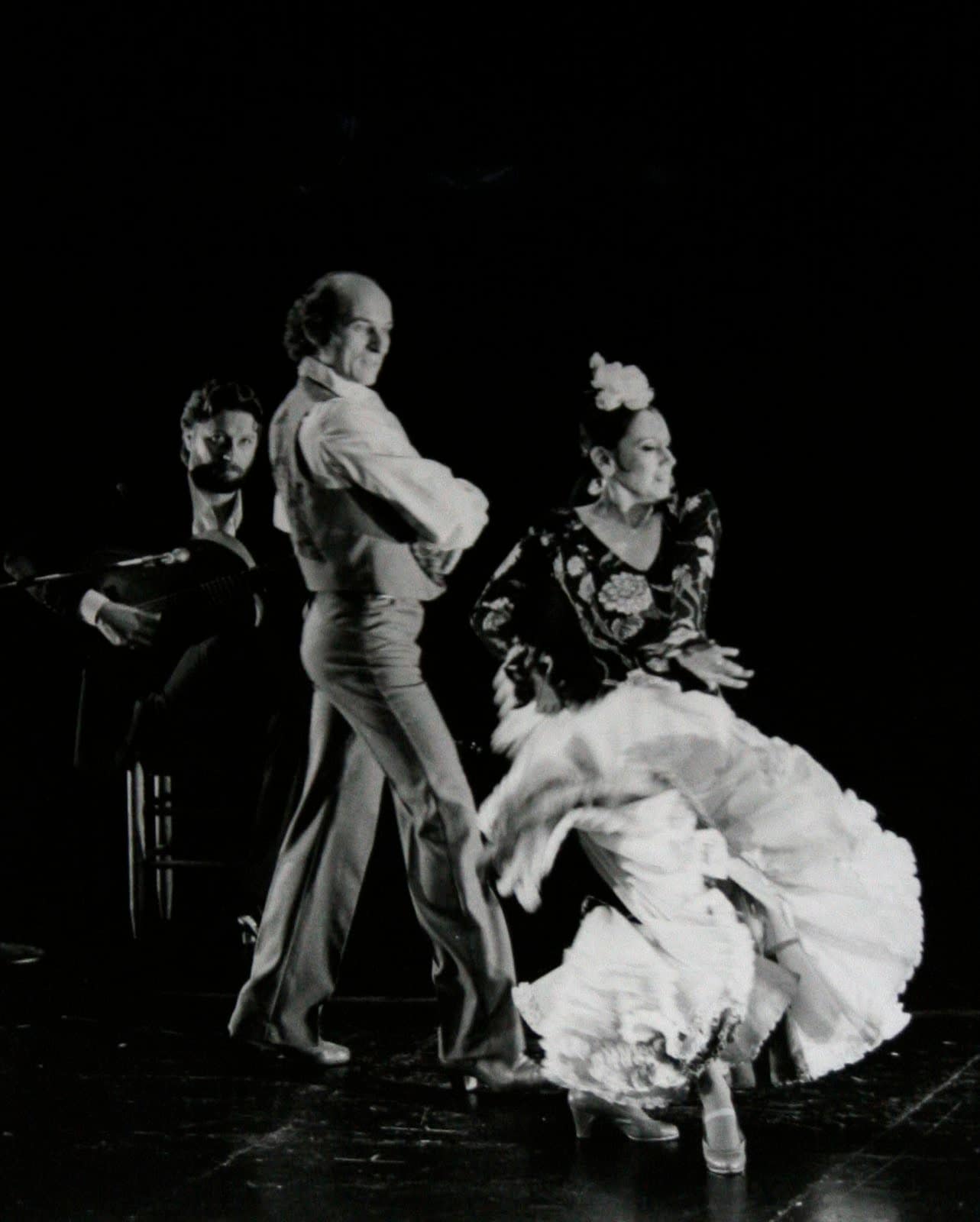 Back in the seventies and eighties, Bellingham was home to a world-class flamenco dance team, Teo and Isabel Morca. Not only did I see them perform numerous times, but as it turned out, I also happened to be taking some dance classes at Western (I was on the faculty then) and had the opportunity to participate in a Master class with them. Flamenco, it turns out, is a complex art form combining dance, guitar, percussion, and voice into a layered, textured, formal, and yet emotive, passionate, and very physical expression of life, love, rhythm, and movement. So it was with some excitement that before our trip to Spain we had booked tickets to Gran Gala Flamenco in Barcelona at the Palau Musica Catalana. It was a little hard to find video and sound segments that convey the set of experiences of both the passion of flamenco and the classic architecture of the 100-year old Palau, but the links below are our best shot. As it turns out the best photos of the Palau seem to be taken by Japanese tourists…no we don’t know them, but we do appreciate their pictures, because ours didn’t come out very well! And the various videos below are not exactly the performance we saw, but they are the same troupe in the same theater, about a week later. Enjoy!
Flamenco #2 (not at Palau, but same troupe)
This week’s tasting:
Muga Rosado ’11 Spain $11
Pale and refreshing, with a lovely bouquet of cherry blossom, strawberry, and rhubarb. Crisp, vibrant, dry, and well-balanced.
Campo Viejo Tempranillo ’10 Spain $10
Supple and fresh, this light red offers cherry, berry, and herbal flavors over modest tannins. Crisp and refreshing, “joven” (young) style. with only four months in oak.
Can Blau “Blau” ’09 Spain 90pts $11
40% Carinena, 40% Syrah, and 20% Garnacha aged for 12 months in French oak. Wood smoke, spice box, incense, lavender, black cherry and plum aromas are followed by a mouth-filling, round, dense wine with outstanding grip and length. It over-delivers in a big way. Drink it over the next 6-8 years.
Browne Family Cabernet ’08 Washington $28
Inviting bing cherry, cocoa, and leather aromas are followed by a silky palate of vanilla, clove, Damson plum, and fleur de sel, finishing with hints of cedar. Classic Washington cab.
Lummi Island Wine Tasting June 1-2 ’12
Last weekend was busy and fun on a lot of levels.
Last Friday Night’s Spanish Wine 101 Class
On Friday night our friend and wine importer Tristan brought in a nice array of Spanish wines for a last-minute tasting. Pat put together some yummy tapas-like snacks, including a Spanish tortilla, which is essentially a potato frittata. We saw them all over Spain as a very popular dish, and no two are alike. Our favorite was at a little restaurant on the main square in Haro (the heart of Rioja), where the waiter told us it was his mother’s recipe. Some versions tend to be densely layered with sliced potatoes; we prefer the more eggy, fluffier style with chunkier bits of potato and more eggs (i.e., diced not sliced!). So that’s the style Pat made Friday night, along with Catalan tomato bread (Pa Amb Tomaquet), a simple dish of fresh bread rubbed with a chunk of tomato and drizzled with olive oil. This dish is everywhere in Catalonia! It’s quick, it’s easy, it’s delicious! We also had a lovely manchego cheese, spicy chorizo, and all with beautiful fresh and chewy ciabatta from Janice’s wood-fired oven. Delicious!
And that was just the food! Tristan also poured eight delicious Spanish wines, providing detailed stories about each one. Some people say that maybe that was too much wine, but that might be like saying everyone had too much fun. Thanks to everyone who was able to make it on short notice, and particular thanks to Tristan for making it happen. He also stayed on through Saturday, pouring many of the same wines. Yes we still have a few of these great wines left!
Kathy’s Dolls
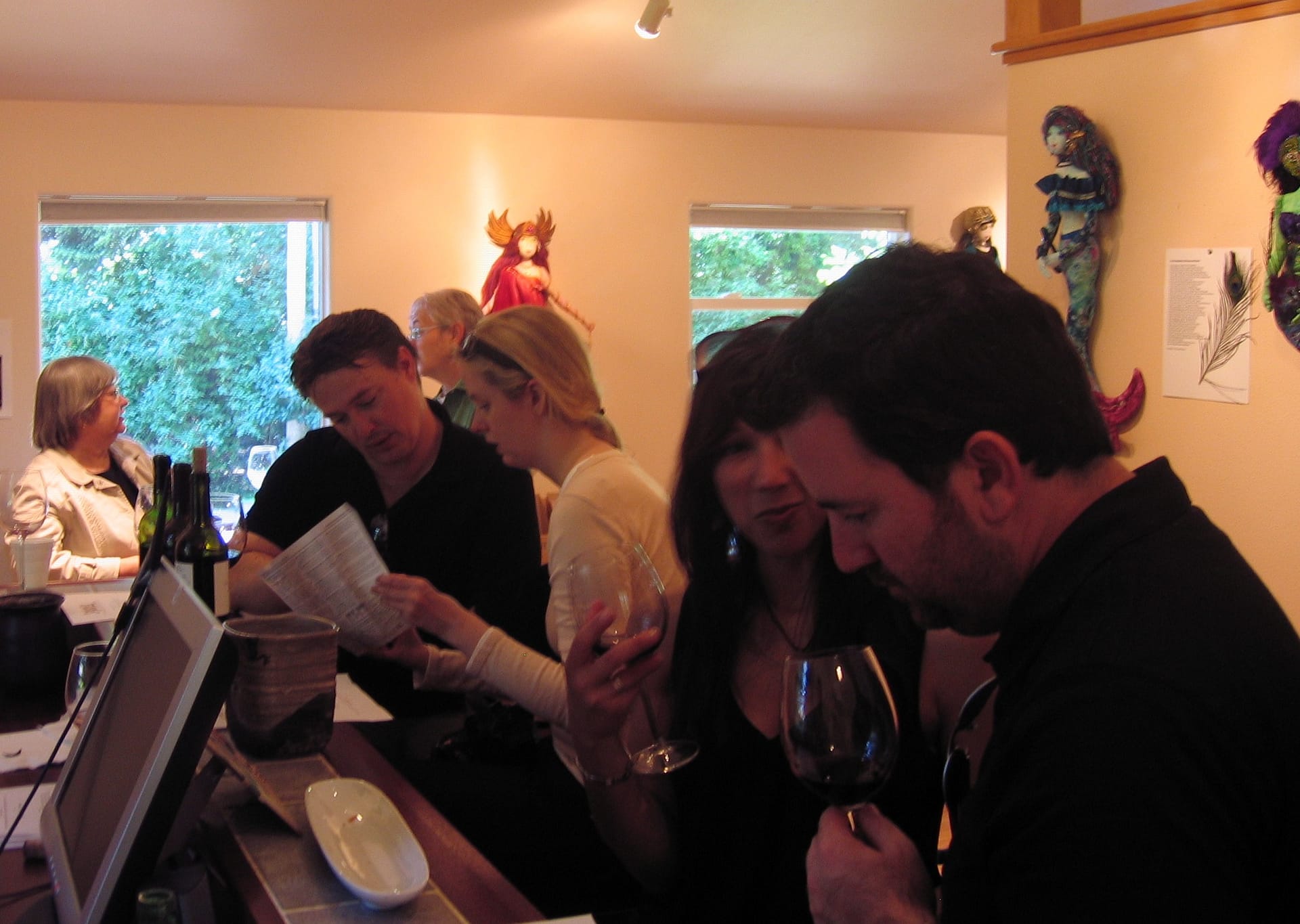
Kathy Elston’s “fantasy dolls” were a huge hit. It seemed that anyone with any experience with sewing could look at them and see immediately the skill that went into making them. Whimsical and finely finished, the dolls were extremely popular, and many found new homes. Kathy will be bringing in additional dolls, and we hope to keep the show up until the end of June. So if you missed it, make it a point to come by and take a look over the next few weeks!
Visitors
There are Studio Tours and there are Studio Tours. The weather was great; it was a long weekend; and lots of people were in the mood for an outing. That made for a fairly steady flow both Saturday and Sunday, and the overall mood was “Ready for Summer!” Yay!
This Friday
Of course many of our Regulars are off on a wine tasting expedition to France with Ryan–Mary Beth has been keeping us posted– so Ryan will not be here to open as usual tonight. Never fear, though, Pat and I will throw open the door at 4pm (till six!) for your Friday low-key salon. We are trying to put something together for munching along with your wine, so stop by and see what’s cooking!
 This weekend’s wines:
Black Oak Chardonnay ’09 California $8
Incredibly aromatic with a fruit forward profile; smooth and easy with a nicely textured palate; excellent balance and structure with a smooth, pleasant finish. A great value.
Comoloco Monastrell ’10 Spain $8 88pts
100% Monastrell from Jumilla, is sourced from dry-farmed 25- to 30-year-old vines. Fresh and fruity with notes of underbrush, brier, and blueberry, it is a savory, friendly wine for drinking over the next 3-4 years. Another outstanding value…and a dynamite label!
R Wines First Class Shiraz ’06 Australia 90+pts $22
The deep crimson-colored 2006 First Class Shiraz contains a dollop of Viognier. It was barrel-fermented and aged in new and one year French and American oak for 18 months. It has an alluring bouquet of cedar, mineral, tobacco, smoked meat, and blueberry. This leads to a full-bodied Shiraz with excellent depth, savory black fruit flavors, plenty of spice, and a lengthy finish. It will offer prime drinking from 2011 to 2020.
Doyenne Signature Syrah ’08 Washington 93pts $28
The 2008 Signature Syrah contains 2% Viognier with 70% of the fruit coming from Red Mountain and 30% from the Boushey Vineyard in Yakima Valley. Aromas of pomegranate, black raspberry, smoked meat, game, and pepper lead to a complex, succulent, velvety-textured Syrah with exceptional balance and length. Drink it through 2023. (“Doyenne” is DeLille’s sister label used for Rhone-style wines)
 2072 Granger Way